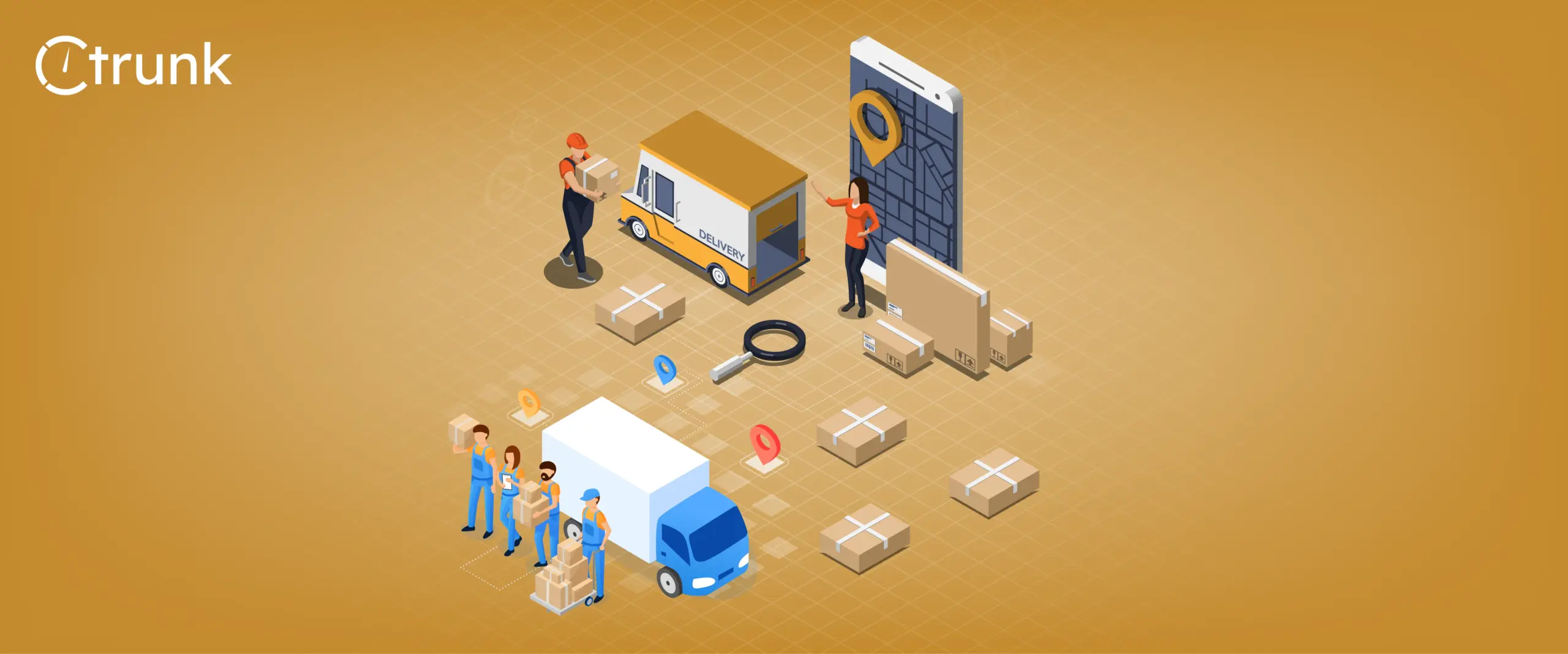
Parcel Management System: A Complete Guide


Explore App on Android!

Explore App on iOS!


Explore App on Android!
Explore App on iOS!
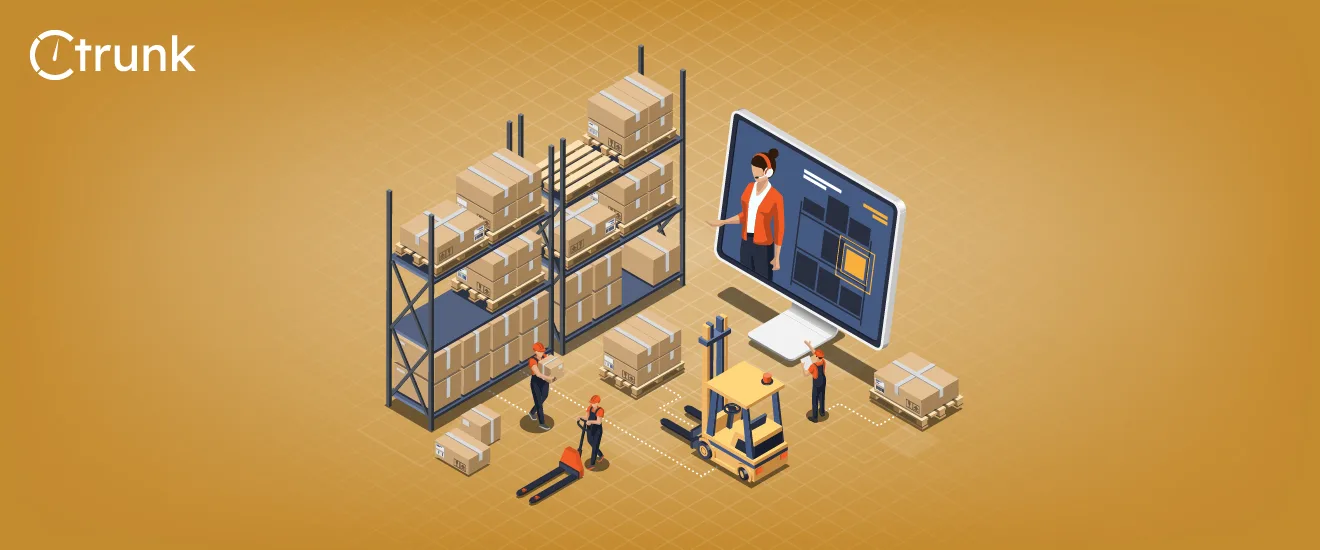
Managing inventory from a single warehouse can be straightforward when a business is small. But as orders increase, customers spread across different locations, and delivery expectations become faster, relying on one warehouse can create operational challenges. This is where multi-warehouse management becomes valuable.
Multi-warehouse management allows businesses to manage inventory, orders, shipments, and warehouse operations across multiple locations from a centralized system. For courier, logistics, eCommerce, and distribution businesses, it can help improve inventory visibility, reduce delivery delays, and streamline daily operations.
Multi-warehouse management involves overseeing and managing inventory and shipping operations across more than one warehouse or distribution center.
Rather than using different systems to track each site, companies can take advantage of a centralized platform to monitor stock levels, incoming orders, shipments, transfers, and delivery of goods.
For instance, a logistics company may operate warehouses in cities such as Ahmedabad, Rajkot, Mumbai, and Delhi. A centralized management system allows the company to track operations in these locations without losing track of individual warehouse activities.
Usually, a multi-warehouse system links distinct warehouses to a main system. During order processing, a decision can be made about which warehouse will take care of the order, guided by such variables as the following:
This helps process orders quickly and avoid unnecessary movement of goods.
As companies grow, manual handling of multiple locations gets harder to do. Phone calls, disconnected systems, and spreadsheets cause inaccuracies.
Multi-location management gives companies improved control and visibility into their business activities.
A central view of inventory is one of the largest benefits. Companies can view what products are in stock at different warehouses rather than combing through the individual inventory records.
In doing so, this can allow for situations such as oversupplying one area and having shortages in another.
The warehouse that can process an order in the most optimal location can receive an order. For example, a customer who lives closer to Warehouse A than Warehouse B may have the order processed more quickly through Warehouse A.
More efficient order fulfillment also enhances the customer experience.
If the shipments traveled shorter distances, companies would be able to cut down on transportation costs. The correct placement of warehouses helps avoid wasting unnecessary resources to transport products between locations.
This aspect is especially critical for logistics and delivery companies that process a huge number of parcels every day.
A good multi-warehouse management solution must include must-haves that help companies coordinate operations across numerous warehouses.
The system should provide a consolidated view of inventory across warehouses. Managers can monitor stock levels and identify locations that require replenishment.
Firms may be required to transfer goods from one storage space to another. A centralized control infrastructure can record the transfer and ensure that inventory information is accurate in both locations.
All orders can be allocated to the most appropriate warehouse according to some predetermined criteria. Thus, the fulfillment operation can become more structured and lessen human intervention in decision-making.
After products leave the warehouse, businesses are able to monitor the goods. When it comes to courier and logistics operations, shipment tracking allows the company to get insights into the shipment journey and manage exceptions and delays.
The reports can inform organizations about how warehouses operate, order amounts, shipments, inventory movement, and other metrics.
Although multi-warehouse operations offer several advantages, they also introduce additional complexity.
Keeping inventory information accurate across multiple locations can be challenging. Even a small data-entry error can create differences between actual and recorded stock.
Different warehouses may follow different processes. Without standardized workflows, managing operations consistently can become difficult.
More warehouses mean more inventory, employees, shipments, transfers, and operational decisions to manage. Businesses need suitable technology to maintain visibility as they scale.
Logistics service providers can benefit from the use of courier management software, as it allows them to consolidate several of their operations into a single system.
Rather than having to handle bookings, shipping details, delivery data, payments, tracking of parcels, and warehouse operations individually, businesses find it useful to rely on a single online platform to manage all these operations.
Courier management software can help teams manage shipment information from different locations through a unified system. This makes it easier to access booking and delivery details when required.
When shipment information is available centrally, teams can coordinate deliveries more effectively. They can monitor shipment status, identify pending deliveries, and take action when exceptions occur.
Managers can use reports and dashboards to understand shipment volumes, delivery performance, warehouse activity, and other important operational information.
As a courier business adds new branches or warehouses, having a centralized software system can make expansion easier to manage. Instead of creating completely separate processes for every location, businesses can maintain standardized workflows across their network.
Businesses can improve multi-warehouse operations by following a few practical strategies:
Multi-warehouse management is an important part of modern logistics, courier, distribution, and eCommerce operations. It helps businesses coordinate inventory, orders, shipments, and warehouse activities across multiple locations while maintaining centralized visibility.
As operations become more complex, technology becomes increasingly important. Using courier management software can help businesses organize shipment operations, improve tracking, simplify reporting, and create more consistent workflows across different locations.
With the right processes and technology in place, businesses can build a more organized and scalable warehouse and delivery network.