Multi-Warehouse Management: Everything You Need to Know


Explore App on Android!

Explore App on iOS!


Explore App on Android!
Explore App on iOS!
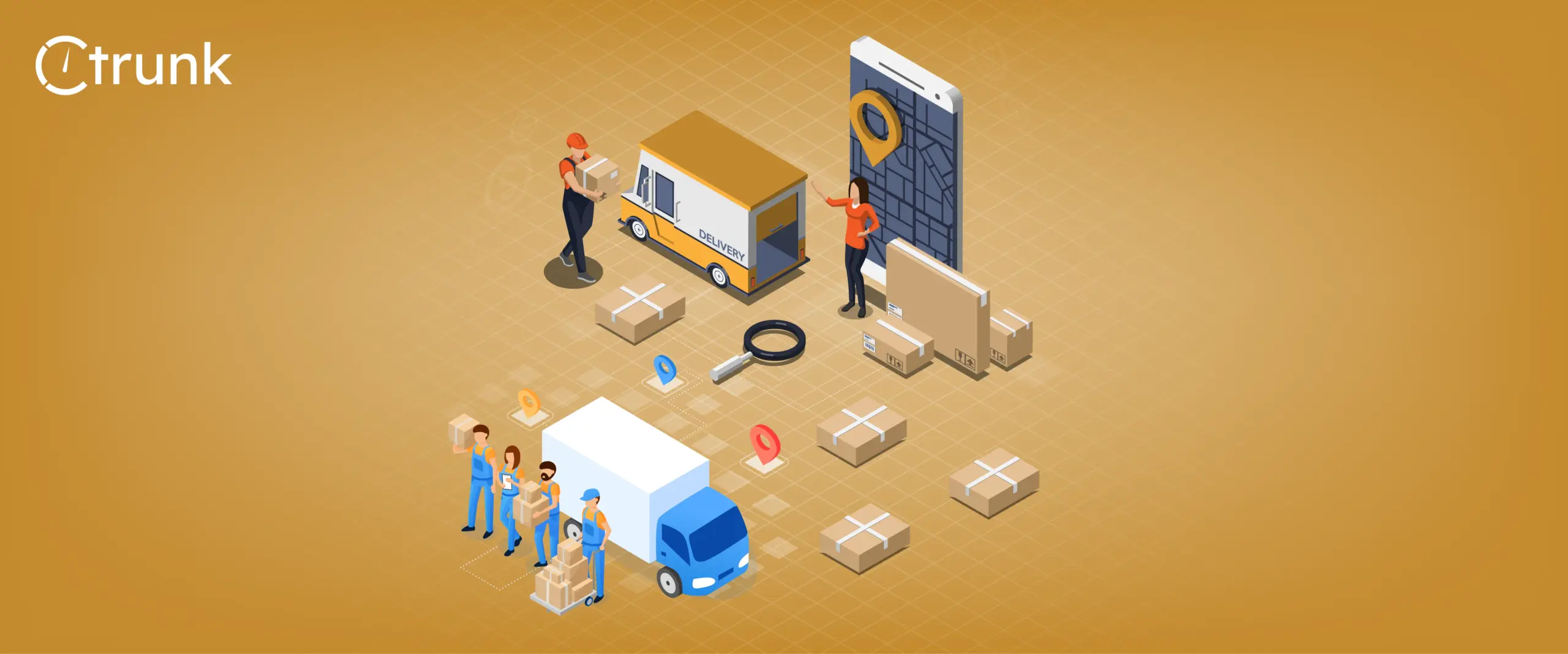
E-commerce logistics is an important part of the online retail ecosystem to make sure that products move better from the warehouse to the customer’s doorstep. As e-commerce continues to grow, understanding how logistics for e-commerce works becomes highly important for businesses aiming to improve customer satisfaction and simplify operations.
In this blog, we are going to understand the difficulties of e-commerce logistics and its main parts, and many more things.
E-commerce means the management of the transportation of goods from the starting point to the final customer in an online shopping environment. This includes different functions like inventory management, warehousing, order fulfillment, etc. The goal is to make sure that products are delivered correctly and better. It will minimize costs and improve management.
With the increase in the number of internet users, eCommerce started to grow rapidly. eCommerce depends largely on logistics, which means the transportation management of goods from one point to their destination. eCommerce orders involve small packages and are placed by different customers. Many people are not going to be loyal to a specific brand. Moreover, the product demand will change unpredictably. It makes it challenging for those who are participating in the shipping process.
Inventory Management: Good inventory management is important for e-commerce logistics. Businesses have to track stock levels to ensure products are available when customers place orders. This includes forecasting demand and managing purchase orders to avoid stockouts or overstocking.
Warehousing: Warehousing includes storing products in a better way to meet fast order requirements. E-commerce companies have to take care of their own warehouses or collaborate with third-party logistics (3PL).
Order Fulfillment: When the order is placed, the process of delivery follows. This includes picking items from shelves, packing for shipment, etc.
Transportation: Transportation is a very important part of e-commerce logistics. Businesses have to choose better carriers and shipping methods for on-time delivery. It can include services of ground freight, air freight, and also local courier services as per the requirements of the emergency.
E-commerce logistics work can be divided into some important parts:
First of all, when a customer places an order through an online store or marketplace. This starts a series of automated processes within the e-commerce platform.
When an order is received, the e-commerce system checks inventory levels to make sure the product is available. If the ordered item is in stock, then another process of completing the order starts.
In the warehouse, employees or an automated system select the ordered items from their location. After picking, products undergo quality checks before being packed safely for shipment. Proper packaging is important to save things during transportation.
When the packing is done, the shipping labels are created based on the customer details and tracking details. It will make sure that packages are tracked throughout transportation.
The packaged orders are handed off to the selected carrier for delivery. Based on the logistics strategy employed by the e-commerce business. This can include different modes of transportation.
Throughout the transportation of the goods, real-time updates will be shared with the customer. It will keep the customer informed about their order status.
If a customer wants to return the item, then the reverse logistics process starts. Well-managed return processes help facilitate returns. It lowers the costs and ensures customer satisfaction.
E-commerce logistics work is important for business profit. It has some challenges:
High Customer Expectations: Big e-commerce giants like Amazon set high standards for delivery speed and service quality. So the customer demands fast shipping and a better experience.
Complex Supply Chains: Handling multiple suppliers, warehouses, and carriers can make logistics operations easier. It will lead to mismanagement if not handled properly.
Cost Management: Balancing cost-effectiveness with service quality is a constant challenge in e-commerce logistics. Businesses must find ways to minimize shipping costs while meeting customer demands.
Technology Integration: As technology evolves, integrating new systems such as warehouse management systems (WMS) and order management systems (OMS) can be complex but necessary for optimizing operations.
E-commerce logistics plays an important part in providing a good shopping experience for customers. It will ensure good management for businesses. By knowing how logistics for e-commerce works.
As the scenario of online retail continues to change, it will stay ahead of logistics problems. With the help of technology, proper planning is important for market success. By organizing e-commerce logistics better, businesses improve customer satisfaction and deliver growth in their online operations.